Table of Contents
ToggleIf you’re experiencing hot flashes at work meetings or waking up to find your sheets damp because of night sweats, choosing an option that suits your lifestyle might be tough. How do you know whether patches, gels, or pills are right for you?
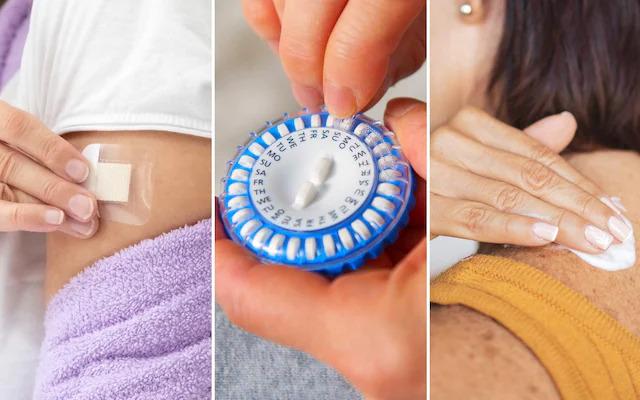
All three types of medication can treat menopause symptoms, but they differ in their effects based on how they’re absorbed into the body, their safety profiles, and overall convenience.
Also, things like your medical history, your skin, and insurance coverage play a role in determining what’s best for you.
For women across the United States, practical details deserve a closer look. Knowing how each option works helps you discuss hormone replacement therapy, often called HRT.
HRT Patches vs Gels vs Pills: Comparing Their Absorption, Benefits, and Risks
This comparison of all three forms of hormone replacement therapy (HRT) for menopause aims to help you decide which one is best for you. Let’s take a closer look at each method and see how it compares when it comes to effectiveness, cost, side effects, and more.
Understand How Different HRT Delivery Methods Work
Menopause happens when falling estrogen levels cause symptoms such as hot flashes and night sweats. HRT involves using either patches, gels, or pills to supplement the natural production of estrogen by your ovaries. This means you’ll receive a steady flow of estrogen to offset its declining levels.
Patches and gels typically contain estradiol, a specific type of estrogen normally produced by the ovaries. Pills sometimes contain estradiol or other forms of estrogen, depending on which prescription drug has been chosen.
Both pills and patches frequently come packaged together with a second hormone known as progestin. If you have a uterus, you’ll almost always require additional progesterone or progestin in addition to systemic estrogen.
This extra hormone protects against possible overgrowth of cells along your uterine lining. In turn, this makes your chances of developing uterine cancer much lower while undergoing treatment with systemic estrogen.
Compare Hormone Absorption and Bloodstream Delivery
Once swallowed, the pill goes on its journey along your digestive tract until eventually entering your liver, where it gets broken down partially. Some of this will get processed and then go out to travel through your entire body.
This is why patches and gels allow for easier absorption: when you put them on your skin, they release small amounts of estrogen that easily enter your nearest blood vessels without having to go all the way to your liver initially (first-pass metabolism), even though your liver will end up processing estrogen anyway.
If you’re using a patch, the hormone will slowly drip out during whatever period the patch has been sticking around strongly on top of you, usually many days!
If using gel, you’ll also want to avoid getting the part with too much estrogen on it washed away quickly, since doing so might mean less actually coming through.
Compare Blood Clot, Stroke, and Cardiovascular Risks
The risk of developing blood clots is higher if you take estrogen orally than if you use patches or gels. But there’s no evidence that either approach carries greater risks for stroke when used at low doses.
You’re also likely to benefit more from estrogen replacement therapy than harm if you’re younger, particularly those who start before you’re 60. And the earlier you begin using hormones, within ten years of menopause, the more benefits you’re likely to see versus harms.
Neither patches nor gels make estrogen safe after previous blood clots. A history of stroke or heart attack generally rules out systemic treatment.
These medicines should never be started solely to prevent future heart disease. Choose the route with your clinician after reviewing your full medical history.
Convenience, Application Requirements, and Daily Usage
For most estrogen pills, just take them as instructed (usually daily) according to the schedule listed on your prescription. Patches need to be replaced either once or twice every week, based upon the specific product you’re using.
Apply each time to clean, dry skin where you’d like; always rotate sites, and make sure there’s no lotion under the patches, as it may break down the adhesive. Should your patch ever come loose, make sure to read how often it should be replaced and when, if needed.
Gel has to be applied every day to the specific body part that your product says. You can’t use systemic estrogen gel on your breasts or any kind of vaginal tissues, including the vulva. Always wash your hands after applying gel.
Don’t put anything on your body while the gel dries completely, and don’t dress in those areas yet. Cover all exposed parts of the body with clothing or other barriers, unless otherwise specified in your label instructions. Read about things like showering, swimming and flame safety.
Evaluate the Benefits and Limitations of HRT Patches, Gels, and Pills
In addition to reducing hot flashes, all 3 types of systemic estrogen can help prevent bone loss and fractures (if you keep taking the medication as recommended). All 3 types will eliminate nights spent tossing and turning trying to change soaked pajamas.
Patches have fewer dosing days than pills, but sometimes people experience skin irritation from patch adhesives. Skin redness/itching or difficulty keeping them sticking reliably might make using patches unappealing for certain individuals.
Gels don’t have sticky patches, but need extra steps involved when transferring the gel during use. For example, there’s often drying times required, plus other transfers needed throughout the day, depending on what kind of estrogens you’re receiving.
Taking estrogen orally with pills avoids applying medication directly onto skin, but some people feel nauseated or experience stomach discomfort from pill-based therapies.
Other side effects such as breast tenderness, bloating episodes, or headaches are commonly reported alongside spotting among those receiving any form of systemic estrogen administration.
Cost and Accessibility of Different HRT Delivery Options
In the US, these products (patches, gels, pills) will need to be obtained with a prescription. Generic estradiol is available as a tablet, patch, or some gel formulation.
Insurance preferences vary widely by insurer; check your insurance’s formulary. Deductibles, co-pays, and your selected pharmacy affect how much this medication costs per month. To get an idea of which is better, ask your pharmacy for a price quote on each drug for the same number of treatment days.
Remember that you’ll also have to include the cost of any progesterone medication your clinician prescribed along with your estrogen medication. Some insurance plans require “prior authorization.” Ask your pharmacist what their stock looks like before you run out of your current medication supply.
Conclusion
Your choice of HRT should fit your health and daily life. Patches, gels, and pills each have their own steps to follow. You may find patches easier, or prefer taking a pill once each day. With gel, you need time to let it dry before dressing.